

How Trump’s NVIDIA deal backfired and strengthened China’s AI ambitions.
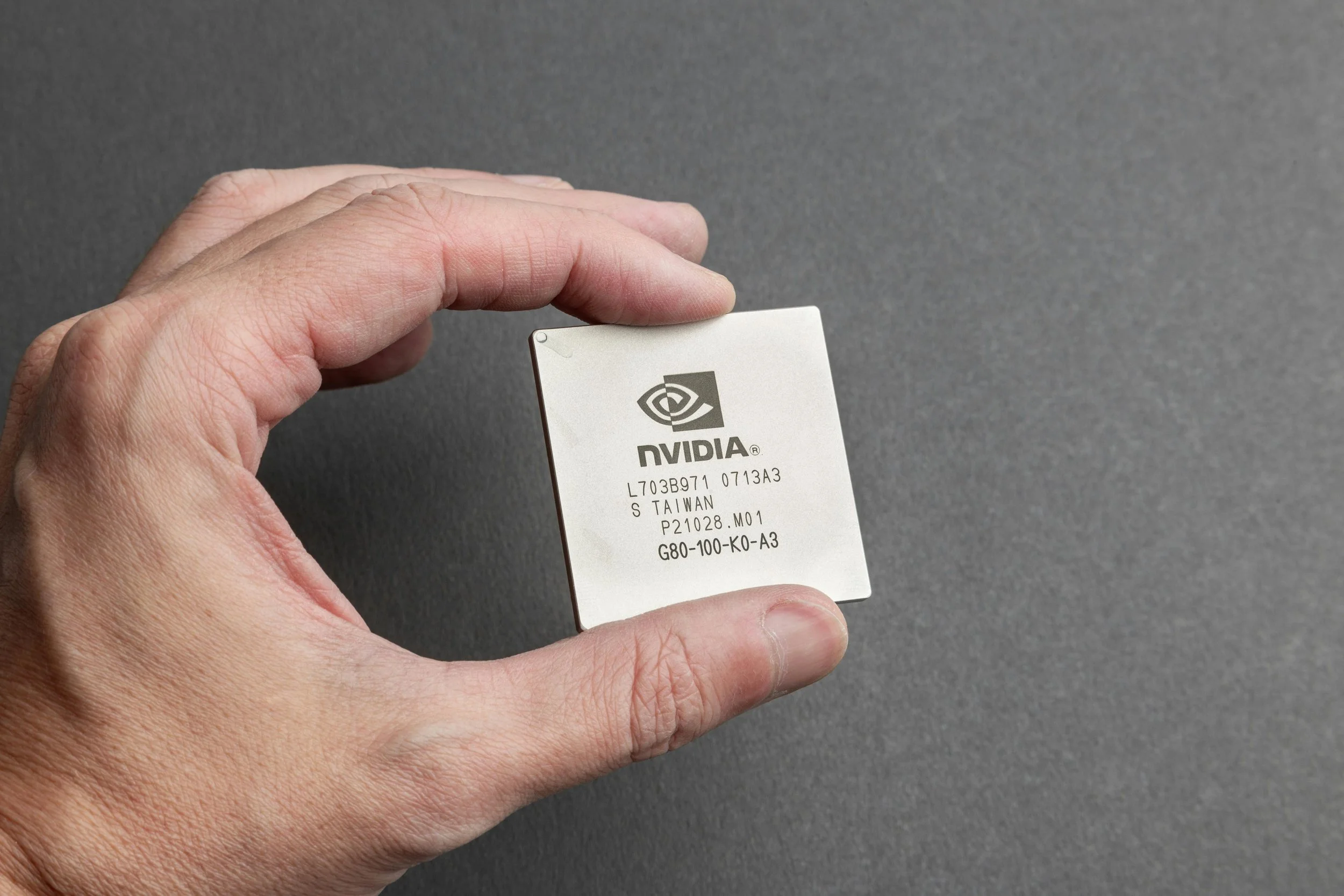
NVIDIA computer chip. Source: Pexels.
This summer, the Trump administration struck a deal with NVIDIA, allowing the company to sell its H20 chips to China, so long as the government receives 15% of that revenue. On paper, this might just look like another of Trump’s many business deals. In reality however, this deal quickly turned into a high-stakes moment in the US-China AI race, with major implications for national security, global AI lead, and the credibility of Washington’s export controls.
In 2023, the Biden administration imposed export controls of NVIDIA’s chips to China, in an attempt to prevent them from further developing their AI capabilities. This sought to protect US technological advantage in the AI race. This August, Trump’s deal with NVIDIA directly reversed Biden’s efforts, giving China access to the chips once again. This deal exposes a fundamental tension in US policy between short-term profit and long-term national security. By monetising export controls, Washington not only risks strengthening China’s AI capabilities, but more critically, signals that companies and other actors can simply buy their way out of national security regulations. Thus Trump’s transactional approach undermines US credibility and the strategic effect intended by export controls. This in turn complicates coordination with agents that still respect these restrictions.
The administration justified the deal by arguing that NVIDIA’s H20 chips are “old and obsolete” models that have been surpassed by their more advanced Blackwell chips that will not be sold to China. Yet, even these chips can give Beijing the upper hand, especially in combination with China’s robust energy infrastructure and legal flexibility which can speed up AI development in ways the US cannot match. Worse still, the “obsolete” label is seen by some experts as an arrogant misstep, as it effectively tells the Chinese government that the US will sell them its leftover chips. And Beijing took notice. Shortly after this deal with NVIDIA, the Cyberspace administration of China urged Chinese companies to stop purchasing US chips and instead develop Chinese semiconductors. Only two months after the NVIDIA deal, China has announced that its chips are now comparable to American ones. It seems that Washington’s export deal may have accidentally given Beijing a roadmap to independence. The short story: with an aim to profit from China, Washington inadvertently accelerated China’s push for independence in this critical industry – which is the very opposite of what Trump’s AI Action Plan and “America-first” strategy intends.
Beyond the Chips
The NVIDIA deal is only one of Trump’s many moves that weakens the US lead in AI. His protectionist approach is eroding US alliances, causing the US to miss out on valuable AI capabilities from allies, while treating partners as mere customers for American AI models. In addition to that, the US’ massive spending risks fuelling an already inflated AI stock bubble, while China’s low-cost launch of DeepSeek demonstrates that innovation depends more on the right ideas and talent, than on investment volume. Hereby, Trump’s policies restricting international students limit access to global talent, further weakening US AI lead. If the US truly wants to “win” the AI race, it must prioritise coherent strategy, collaborative alliances, and global talent over short-term deals. Without a broader, long-term plan, many ask how is it possible for the US to stay competitive in the AI race, especially if China now has their very own chips?
Disclaimer: This article was submitted by the writer as part of an undergraduate degree programme at King’s College London.